

If you’ve spent any time on TikTok, YouTube, or wellness Reddit, you’ve probably heard the word mewing. It’s often framed as a simple trick: press your tongue to the roof of your mouth and, over time, your jawline sharpens, your face changes, and your breathing improves.
That’s a lot to promise from something you’re already doing dozens of times a day without thinking about it.
Like many health trends that catch fire online, mewing sits at the intersection of real science and runaway hype. There is truth behind tongue posture and why it matters for breathing, facial development, and sleep. But there are also exaggerated claims, unrealistic timelines, and a few misunderstandings worth clearing up.
Let’s slow things down and talk about what mewing actually is, what it isn’t, and what the science really says.
What Is Mewing, Really?
At its core, mewing is simply the practice of maintaining proper tongue posture. That means resting your tongue gently but fully against the roof of your mouth, with your lips closed and teeth lightly together, while breathing through your nose.
This concept didn’t originate on social media. It traces back to orthodontic and myofunctional principles studied for decades. The term itself became popular through Dr. John Mew and later his son, Dr. Mike Mew, both orthodontists who emphasized the role of oral posture in facial growth and airway health.
The key idea is this: the tongue is a powerful muscle. Where it rests most of the day influences how forces are distributed across the palate, jaw, and upper airway.
When the tongue rests low in the mouth instead of up against the palate, the airway can become less supported. Over time, this may contribute to mouth breathing, narrower dental arches, and less efficient breathing during sleep.
So mewing isn’t a “technique” you perform once or twice a day. It’s about retraining a default posture. And like most posture changes, awareness alone rarely does the full job without some form of active muscle engagement.
Why Tongue Posture Matters for Breathing and Sleep
The roof of your mouth isn’t just a ceiling for your tongue. It also forms the floor of your nasal cavity. When the tongue rests upward, it helps support the maxilla and encourages nasal breathing.
Nasal breathing does more than just filter air. It supports proper oxygen exchange, nitric oxide production, and calmer breathing patterns. During sleep, nasal breathing is especially important for keeping the airway open and stable.
When tongue posture is poor, several things can happen:
- The tongue may fall backward during sleep, narrowing the airway
- Mouth breathing becomes more common
- Snoring risk increases
- Sleep may become lighter or more fragmented
This is why tongue posture is often discussed alongside sleep quality, snoring, and airway health. It’s not about aesthetics first. It’s about function.
What Mewing Is Not
This is where social media tends to overshoot reality.
Mewing is not a shortcut to dramatic facial restructuring in adults. Bone growth and facial development are most malleable during childhood and adolescence. While posture and muscle tone still matter later in life, the idea that mewing alone will significantly widen your jaw or remodel your face as an adult isn’t supported by strong evidence.
It’s also not about clenching your teeth or forcefully pressing your tongue as hard as possible. Excess tension can lead to jaw discomfort, headaches, or TMJ issues. Proper tongue posture should feel gentle and sustainable, not strained.
And mewing is not an overnight fix. Any functional change, whether it’s muscle coordination or breathing patterns, happens gradually. Think habits, not hacks.
What the Science Actually Supports
Research in myofunctional therapy and airway health consistently shows that tongue posture, muscle tone, and breathing patterns are closely linked.
Studies on myofunctional therapy, which includes tongue and orofacial muscle training, have demonstrated benefits such as:
- Reduced snoring intensity
- Improved nasal breathing
- Better sleep quality in some individuals
- Improved muscle coordination of the tongue and soft palate
Rather than focusing on facial appearance, the strongest evidence supports functional outcomes. Breathing efficiency, airway stability, and muscle engagement matter more than jawline angles.
It’s also worth noting that many benefits attributed to mewing come from consistent engagement of the tongue and airway muscles. Passive awareness alone may not be enough for everyone.
Who May Benefit Most from Focusing on Tongue Posture
Not everyone will notice the same changes, but certain groups may benefit more from improving tongue posture:
People who mouth breathe If you often wake up with a dry mouth, snore, or breathe through your mouth during the day, tongue posture can play a meaningful role.
Snorers and light sleepers Weak or poorly coordinated airway muscles can contribute to vibration and collapse during sleep. Supporting the tongue and soft palate may help reduce these issues.
Children and adolescents Early habits matter. Proper tongue posture during growth can support healthier facial development and airway formation.
People with orthodontic relapse After braces or aligners, poor tongue posture can contribute to teeth shifting back over time.
Why Awareness Alone Often Isn’t Enough
Here’s something rarely mentioned in viral mewing videos: most people already know where their tongue should be.
This is where the gap between the idea of mewing and the practice of it becomes clear. The challenge is keeping it there consistently, especially when muscles are weak or untrained.
Just like posture for your back, tongue posture is influenced by muscle endurance and coordination. If those muscles fatigue easily, the tongue drops without you noticing.
That’s where structured engagement comes in. Myofunctional therapy, guided exercises, and resistance-based tools are designed to help the tongue and airway muscles build strength gradually, making proper posture feel natural instead of forced.
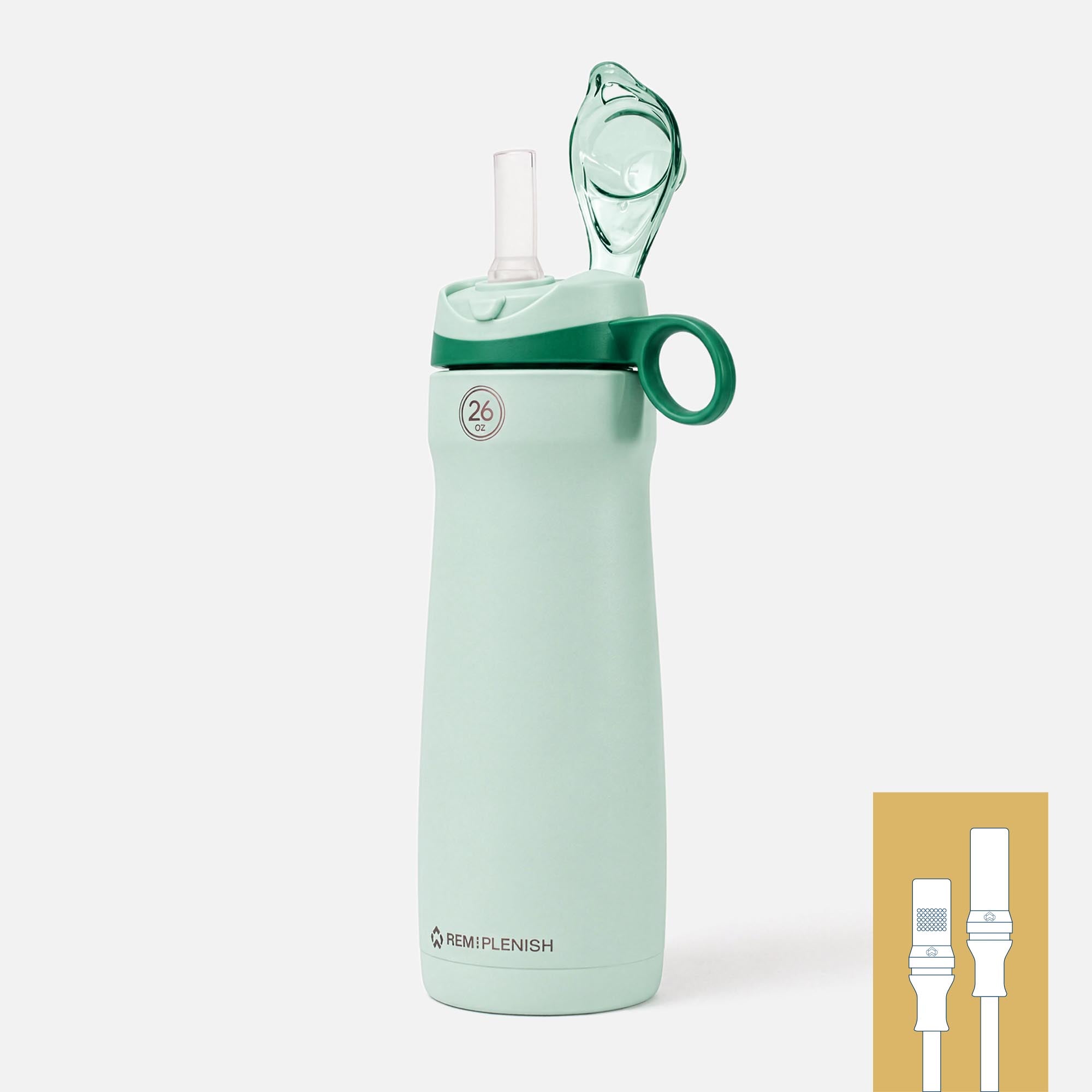
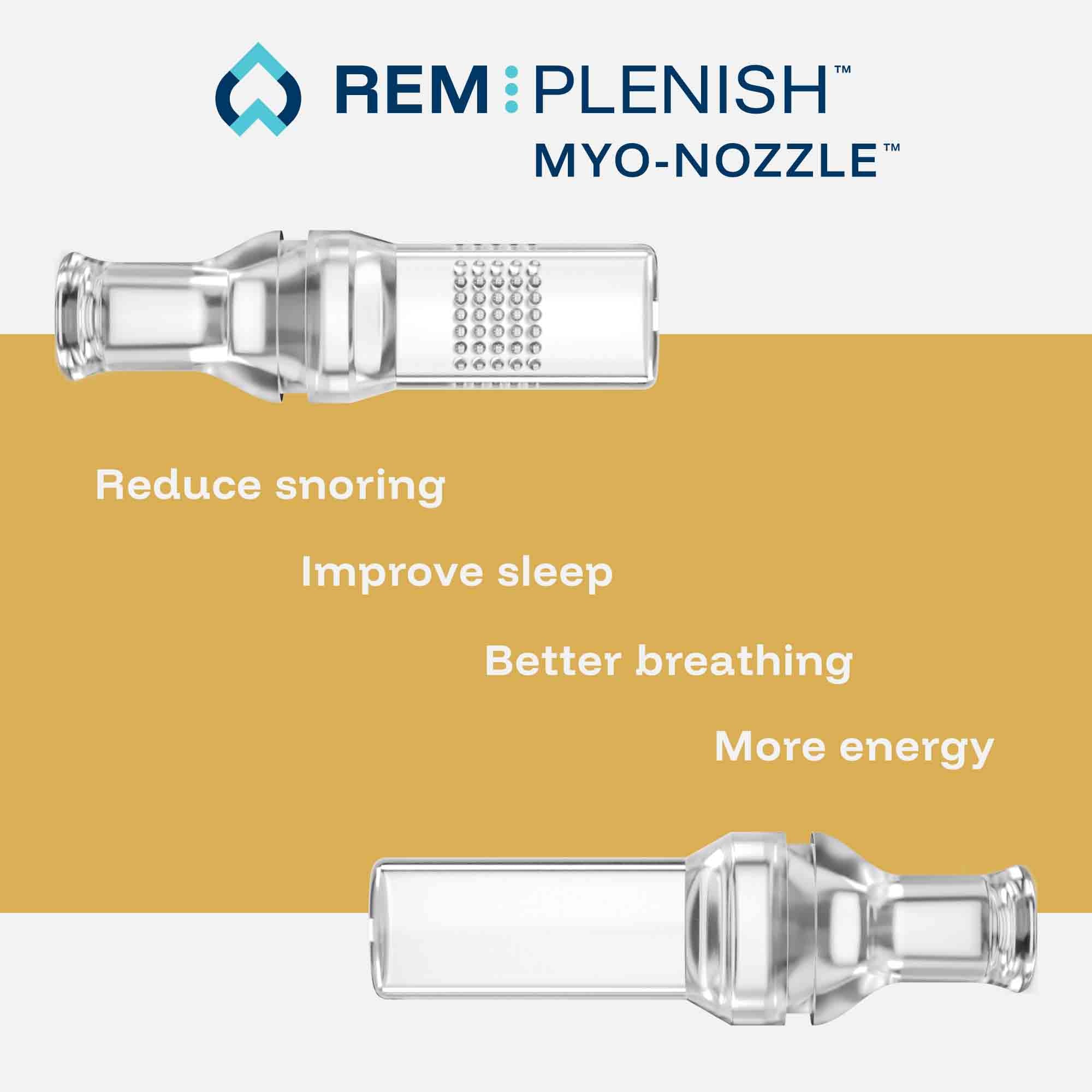
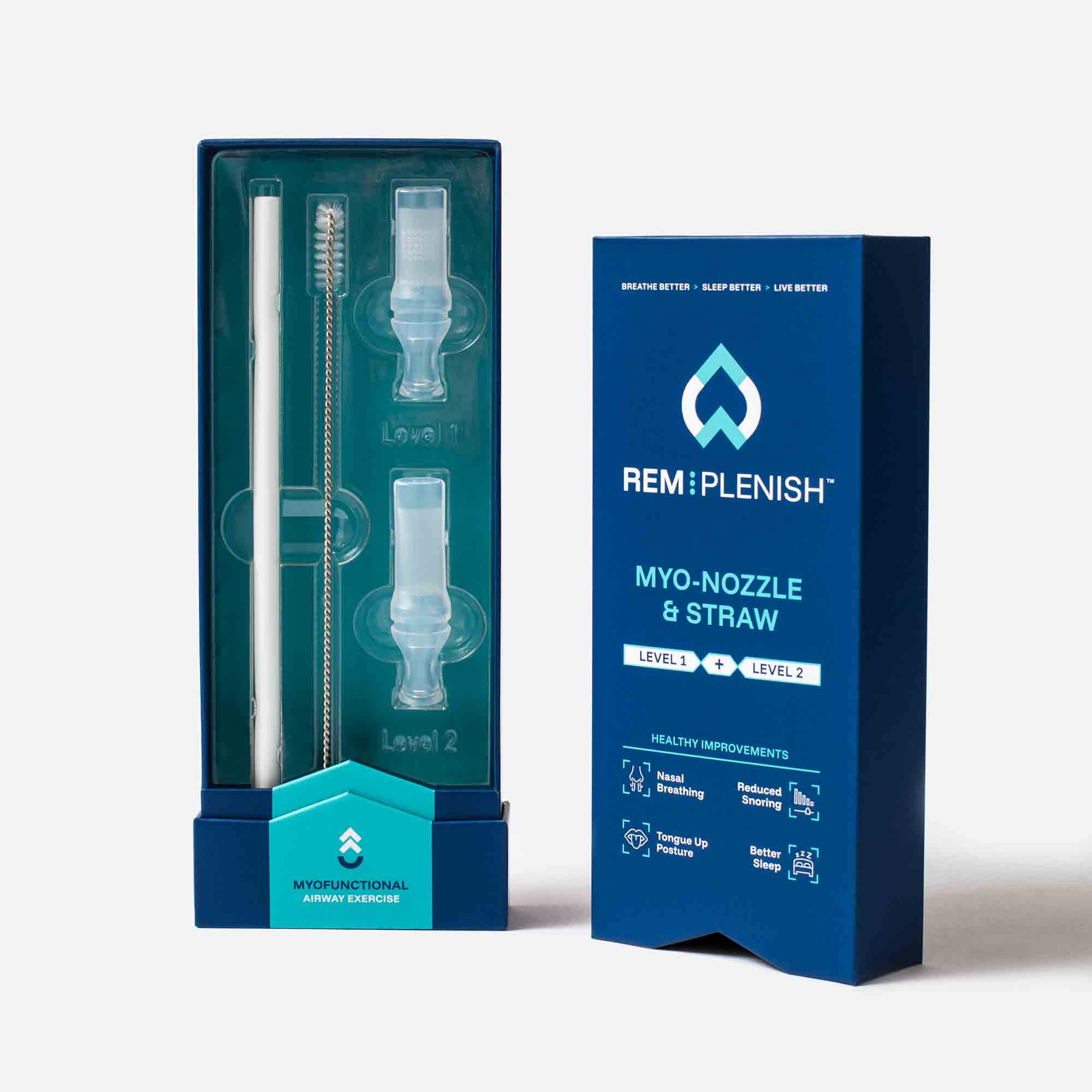
This is also where tools like REMplenish fit into the conversation. Instead of relying on constant reminders to “hold” your tongue in place, REMplenish turns daily hydration into active myofunctional training. Every sip through the Myo-Nozzle engages the tongue, jaw, and airway muscles, reinforcing the same principles mewing is built on — but through real resistance and repetition.
Separating Hype from Helpful Habit
Mewing became popular because it taps into something real. Tongue posture does matter. Breathing does matter. Sleep quality does matter.
But when the message gets oversimplified into “do this and your face will change,” it distracts from the deeper, more meaningful benefits. Better breathing, quieter sleep, and healthier habits don’t go viral as easily as before-and-after photos.
The most realistic way to think about mewing is as one piece of a larger puzzle.
You can think of mewing as the idea — proper tongue posture, nasal breathing, and airway support. Methods like REMplenish provide the how. By actively training the muscles that support tongue posture, it helps turn intention into habit, without needing to think about it all day. It works best when paired with nasal breathing, good sleep habits, and consistent muscle engagement.
A More Grounded Takeaway
If you’re curious about mewing, shift the goal. Instead of chasing dramatic visual changes, pay attention to how you breathe, how you sleep, and how your mouth feels throughout the day.
Notice where your tongue rests when you’re relaxed. Notice whether your mouth stays closed at night. Notice whether your sleep feels more restorative over time.
Healthy airway habits are built quietly, through small daily patterns. When muscle engagement is woven into something you already do — like drinking water — those patterns become far easier to sustain. When tongue posture improves, the benefits tend to show up not in the mirror first, but in how you feel when you wake up.
And that’s a much better place to start.